

Stress affects nearly every system in the body, and the mouth is no exception. From teeth grinding to gum inflammation, chronic stress can silently damage oral health in ways that go unnoticed until the damage is done.
Scheduling regular oral exams with a dentist in Birmingham, MI is one of the most effective ways to catch stress-related dental problems early.
How Stress Damages Teeth and Gums
Bruxism — The Grinding Problem
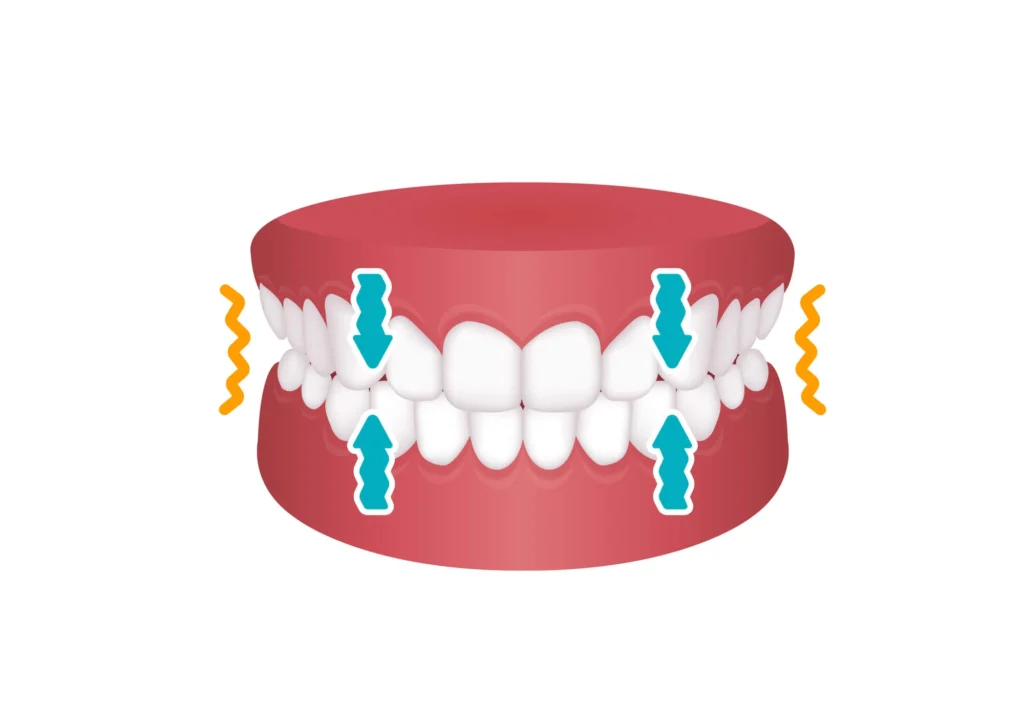
Bruxism is the involuntary clenching or grinding of teeth, most often during sleep. Research shows that psychological stress and anxiety are among the leading triggers of this condition.
Over time, grinding wears down enamel, causes tooth sensitivity, and can fracture teeth that would otherwise remain healthy. Teeth grinding is closely linked to stress levels, sleep disturbances, and anxiety, all of which have become increasingly common in daily life.
TMJ Disorders
The temporomandibular joint connects the jaw to the skull and controls chewing and speaking. Chronic teeth clenching from stress places excessive pressure on this joint, contributing to temporomandibular disorders (TMD).
Symptoms include:
- Jaw pain
- Clicking or popping sounds
- Headaches
- Difficulty opening the mouth fully
Left untreated, TMJ disorders can worsen significantly over time and may require more complex intervention.
Worn Teeth
Repeated grinding doesn’t just affect the surface of teeth; it gradually shortens them. Worn teeth alter the bite, affect facial appearance, and can expose the inner layers of the tooth to bacteria and sensitivity. This type of damage is cumulative and irreversible without restorative treatment.
The Link Between Stress and Gum Disease
How Stress Weakens the Body’s Defenses
Chronic stress elevates cortisol levels, which suppresses the immune system’s ability to fight infection. In the mouth, this creates an environment where bacteria thrive and gum tissue becomes more vulnerable to inflammation.
Stress is a risk factor for gum disease, compounding the effects of plaque buildup when oral hygiene routines slip, which often happens during high-stress periods.
Stress Habits That Make Things Worse
Beyond the direct physiological effects, stress often drives behaviors that accelerate oral health decline:
- Neglecting brushing and flossing routines
- Increased consumption of sugary or acidic foods and drinks
- Smoking or tobacco use
- Skipping dental appointments
- Dry mouth from anxiety medications, which reduces saliva’s protective role
What Dentists Can Do for Stress-Related Dental Damage
Treatment Options for Bruxism and TMJ
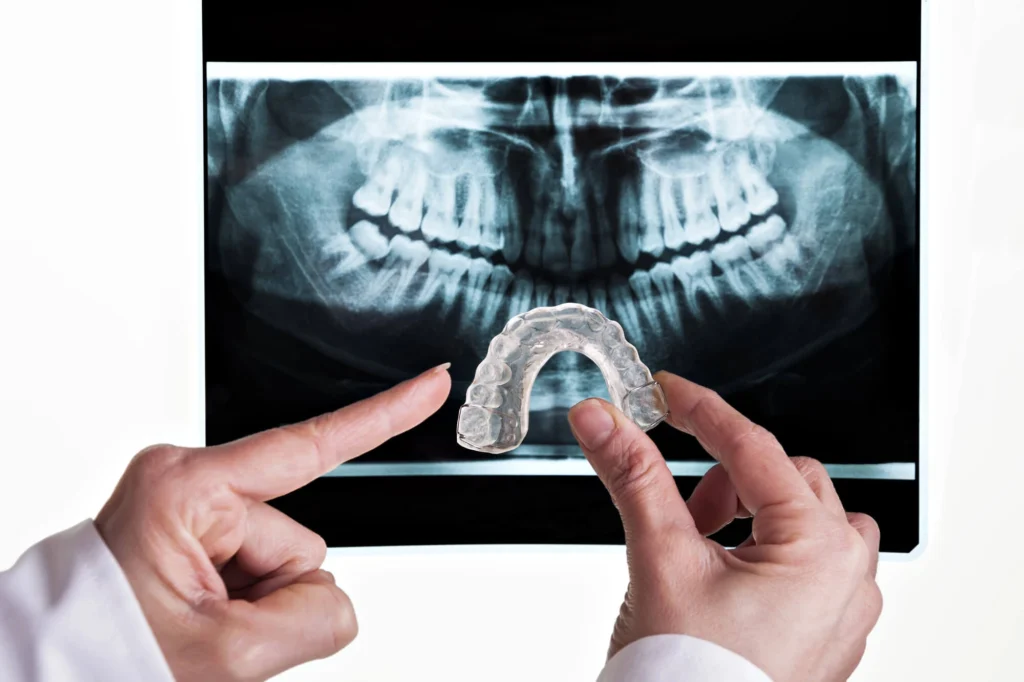
A dentist can evaluate the extent of grinding damage and recommend protective solutions such as custom night guards, which cushion the teeth during sleep and prevent further wear.
For more advanced cases, sedation dentistry may be incorporated into restorative treatment plans for patients who experience anxiety around dental visits, addressing both the cause and the consequences of stress on oral health.
Restoring Worn and Damaged Teeth
When stress has already caused visible damage, restorative options exist to rebuild tooth structure and function. Treating worn teeth early prevents further deterioration and restores a healthy bite.
Regular dental cleanings also play a key preventive role by removing the bacterial buildup that stress makes the gums more susceptible to.
Protect Your Smile from Stress with a Dentist in Birmingham, MI
Stress is unavoidable, but the damage it causes to your smile doesn’t have to be permanent. At Birmingham Center for Cosmetic Dentistry, Dr. Mitchell Milan and his team provide comprehensive care for stress-related dental concerns, from worn teeth and TMJ treatment to preventive exams and restorative solutions.
Contact us today to schedule your appointment.