
Restorative Dentistry in Birmingham, MI

Damaged or missing teeth can affect how you chew, speak, and care for your mouth. They may also change your bite or place additional pressure on surrounding teeth. Restorative dentistry rebuilds compromised teeth and replaces missing teeth to support oral function, comfort, and appearance.
Birmingham Center for Cosmetic Dentistry provides restorative dentistry in Birmingham, MI, for patients with cracked teeth, dental wear, tooth loss, and aging dental work. Available services include traditional and mini dental implants, all-porcelain crowns, CEREC® crowns completed in one visit, porcelain bridges, and complete or partial dentures. Every care plan begins with an evaluation of the teeth, gums, bite, and existing restorations.
What Is Restorative Dentistry?
Cosmetic and restorative dentistry are often intertwined. Restorative dentistry focuses on restoring the function Restorative dentistry focuses on rebuilding damaged teeth and replacing missing teeth. A restorative procedure may address one tooth or form part of a coordinated plan involving several areas of the mouth.
A crown can reinforce a weakened tooth. A bridge, implant, or denture can replace missing teeth and restore a more complete chewing surface. Restorative and cosmetic dentistry may overlap because porcelain restorations can support dental function while recreating the color, shape, and proportions of natural teeth.
The appropriate procedure depends on the condition of the affected teeth, the number and location of missing teeth, gum health, available bone, and the way the upper and lower teeth meet.
Restorative Dentistry Services Available
Dental Implants vs. Mini Dental Implants
Traditional and mini dental implants can support crowns, bridges, and dentures after tooth loss. Both are positioned within the jawbone, but they differ in diameter, placement requirements, and clinical applications.
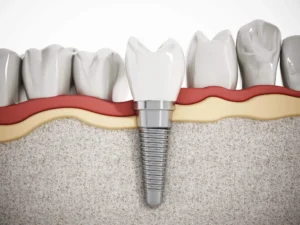
Traditional implants may replace one tooth, support several replacement teeth, or provide support for a full dental arch. They generally require adequate bone and a healing period before the final restoration is connected.
Mini dental implants have a narrower design. The dentist may consider them when the dental arch is narrow, available bone is limited, or a conventional denture needs greater stability. Placement may involve a less invasive procedure than conventional implant placement.
The dentist evaluates bone support, gum health, medical history, bite forces, and the planned restoration before recommending either design. Not every patient or form of tooth replacement is suited to implant-based care.
All-Porcelain Crowns
An all-porcelain crown covers a cracked, weakened, extensively decayed, or structurally compromised tooth. It restores the tooth’s shape and biting surface while reinforcing the remaining structure.
Porcelain can recreate the color, contours, and light-reflecting qualities of natural enamel. It also avoids the dark line that may appear along the gum line with some older porcelain-fused-to-metal crowns.
The dentist prepares the affected tooth and records its shape through impressions or digital scans. These records guide the creation of a crown that fits the tooth and works with the surrounding bite.
CEREC® Crowns in One Visit

CEREC® technology allows certain porcelain crowns, inlays, and onlays to be designed and fabricated in a single appointment. Digital scanning captures the prepared tooth, and computer-aided technology guides the restoration’s design and fabrication.
Same-day care can eliminate the laboratory waiting period and the need to wear a temporary crown between appointments. The dentist assesses the restoration’s fit, contours, appearance, and relationship with the opposing teeth before bonding it in place.
CEREC® may not be appropriate for every situation. Tooth location, the amount of remaining structure, bite forces, and aesthetic requirements influence whether a same-day or laboratory-made crown is recommended.
Porcelain Bridges

A porcelain bridge replaces one or more missing teeth. A traditional bridge includes an artificial tooth connected to crowns placed over teeth on either side of the space. Implant-supported designs may be considered when suitable natural supporting teeth are unavailable.
A bridge restores a more complete chewing surface and helps maintain the position of neighboring teeth. Placement usually requires more than one appointment. After preparing the supporting teeth, the dentist records the area so a dental laboratory can create the bridge. A temporary bridge may protect the prepared teeth until the final restoration is ready.
Dentures and Partial Dentures
Dentures in Birmingham, MI, are created from detailed records of the mouth, allowing their fit, tooth arrangement, color, and shape to complement the patient’s oral anatomy.

Available designs include:
- Complete dentures: Replace all teeth in an upper arch, lower arch, or both.
- Partial dentures: Replace several missing teeth while fitting around the natural teeth that remain.
- Implant-supported dentures: Connect to traditional or mini dental implants for added stability.
Complete dentures rest over the gums and underlying jaw, while partial dentures gain support from the remaining teeth through a framework or attachments. Implant-supported dentures use dental implants to reduce movement during eating and speaking.
During a denture evaluation, the dentist examines the gums, remaining teeth, bite, and jaw structure. Appearance preferences, daily care requirements, and the possible use of implant support are also discussed. New dentures may require an adjustment period while the tongue and cheeks adapt. Follow-up appointments allow the dentist to evaluate comfort, stability, and fit.
Who Is a Candidate for Restorative Dentistry?
Restorative dentistry may be appropriate for adults with damaged, weakened, worn, or missing teeth. Early evaluation may preserve more healthy tooth structure and provide a broader selection of care options.
You may benefit from a restorative evaluation if you have:
- A cracked, chipped, or weakened tooth
- One or more missing teeth
- Worn or shortened teeth
- An aging crown, bridge, filling, or denture
- Difficulty chewing certain foods
- Changes in the way your teeth meet
- Sensitivity around a restored tooth
- A denture that shifts or creates sore areas
- Concerns about damaged or missing teeth
Suitability for a particular procedure requires a clinical examination. The dentist may review diagnostic images and assess the tooth structure, gums, bone, bite, and existing dental work. Gum inflammation, decay, or another active concern may require care before placement of the final restoration.
The Restorative Treatment Process
Examination and Planning
The restorative process begins with a discussion of your dental history, concerns, and goals. The dentist examines the teeth, gums, bite, and existing restorations. Digital images, scans, or impressions may provide further details about tooth roots, bone support, and the relationship between the dental arches.
If more than one approach is appropriate, the dentist explains how the options differ in preparation, appointment schedule, maintenance, stability, and appearance.
Preparation and Placement
Preparation varies according to the procedure. A crown requires reshaping the affected tooth, while a traditional bridge requires preparing the supporting teeth. Denture planning may involve impressions, bite records, and trial fittings. Implant-based care includes implant placement and a healing period before the final restoration is connected.
Digital scans or impressions guide the fabrication of crowns, bridges, or dentures. A temporary restoration may protect the prepared area while a dental laboratory creates the final dental work.
During placement, the dentist evaluates the fit, appearance, and bite. A crown or bridge is bonded to the supporting tooth structure, while a denture is assessed for comfort and stability. Follow-up appointments may be recommended after denture delivery or more extensive restorative care.
Recovery and Long-Term Maintenance
Recovery depends on the procedure. Mild gum tenderness or temperature sensitivity may follow crown or bridge placement. New dentures may temporarily change speech, chewing, and saliva production. Implant-based care involves a longer healing period before the final restoration can be attached.
Follow the instructions provided for eating, oral hygiene, and appliance use. Contact the dental team if discomfort increases, swelling develops, a restoration feels loose, or the bite feels uneven.
Long-term maintenance may include:
- Brushing natural teeth and fixed restorations twice daily
- Cleaning between the teeth every day
- Using recommended aids beneath a bridge
- Cleaning dentures with a soft denture brush and a suitable cleanser
- Cleaning the gums, tongue, and remaining natural teeth
- Keeping dentures in water or an appropriate soaking liquid when outside the mouth
- Avoiding hot water because it may distort denture materials
- Attending routine examinations and professional cleanings
- Having changes in comfort, fit, or bite evaluated
Many denture wearers are advised to remove their appliances while sleeping so the gums have time to rest without pressure. Instructions vary according to the denture design, oral health, and implant components.
Professional Teeth Cleanings and Restorative Maintenance
Professional cleaning supports the natural teeth, gums, and dental work surrounding a restoration. Plaque can accumulate along crown margins, beneath bridge components, around implants, and next to teeth that support a partial denture. These deposits may contribute to gum inflammation or decay in vulnerable tooth structure.
Patients seeking teeth cleaning in Birmingham, MI, can receive routine preventive care alongside ongoing restorative maintenance. During a cleaning, the dental team accesses areas that may be difficult to maintain through brushing and flossing alone.
Benefits of Restorative Dentistry
Restorative dentistry can provide several functional and aesthetic benefits. Depending on the procedure and the condition of the mouth, care may:
- Rebuild a damaged or weakened tooth
- Replace one or more missing teeth
- Restore a broader chewing surface
- Support clearer speech after tooth loss
- Improve the distribution of biting pressure
- Help maintain the position of nearby teeth
- Support the lips and cheeks
- Replace aging dental work
- Improve confidence while eating, speaking, or smiling
Restorative dentistry also supports overall oral health by improving chewing function, maintaining the position of surrounding teeth, and making daily oral hygiene more manageable. Greater comfort while eating and speaking may also improve confidence, social interactions, and overall quality of life.
No restoration is maintenance-free. Porcelain, denture materials, supporting teeth, and gum tissues can change over time, making daily hygiene and regular dental examinations important.
Frequently Asked Questions
The recommended schedule depends on gum health, plaque accumulation, medical history, and existing dental work. Many patients attend every six months, while those with gum disease, implants, or extensive restorations may need a different interval.
Complete dentures replace all teeth in an upper or lower arch. Partial dentures replace several teeth and fit around the natural teeth that remain. The number, location, and condition of the remaining teeth influence the recommended design.
Yes. Traditional or mini dental implants may provide additional denture stability. The recommended implant and denture design depends on bone structure, oral health, bite forces, and the planned appliance.
A CEREC® crown can be completed in a single appointment. Laboratory-made crowns, bridges, and dentures require additional visits. Implant-based restorations need more time for implant placement and healing.
Longevity depends on the material, location, bite forces, oral hygiene, diet, and daily habits. Crowns, bridges, implants, and dentures may function for many years, but they require monitoring and may eventually need adjustment or replacement.
Recovery varies by procedure. Mild tenderness or temperature sensitivity may occur after receiving a crown or bridge, while dentures often require time for the gums and oral muscles to adapt. Implant-based care usually involves a longer healing period. Follow the instructions provided and contact the dental team if discomfort increases; swelling develops, or your bite feels uneven.
Brush natural teeth and fixed restorations twice daily, clean between the teeth, and use any oral hygiene aids recommended by the dental team. Dentures require daily cleaning and proper storage when out of the mouth. Routine examinations and professional cleanings allow the dentist to monitor gum health, restoration wear, denture fit, and changes in the bite.
Request a Restorative Dentistry Consultation in Birmingham, MI
A detailed evaluation can identify which teeth need support, how tooth loss has affected your bite, and whether crowns, bridges, traditional or mini dental implants, dentures, or coordinated care may be appropriate.
Contact Birmingham Center for Cosmetic Dentistry to request a restorative dentistry consultation in Birmingham, MI. The dental team will examine your teeth and gums, explain the available options, and develop a personalized care plan focused on dental function, natural-looking results, and practical long-term maintenance.
Below are the surrounding areas our patients travel from: