
Addressing restorative dentistry needs early often prevents severe structural damage to the teeth and jaw. Patients seeking a reliable Grosse Pointe dentist often need help managing the silent symptoms of nighttime clenching. Chronic teeth grinding wears down enamel rapidly and causes intense, lingering discomfort over time.

Step 1: How to Identify the Physical Symptoms
Monitor for Morning Jaw Soreness
Many individuals wake up with intense facial muscle fatigue or dull, recurring headaches. This persistent jaw pain serves as a primary indicator of nocturnal grinding.
Check for Enamel Wear and Sensitivity
Excessive friction strips away the protective outer layer of the teeth over time. Exposed inner dental layers quickly become highly sensitive to hot and cold temperatures.
Step 2: How to Evaluate the Long-Term Damage
Look for Weakened Dental Structures
Constant pressure frequently leads to microfractures or complete tooth fractures. Severe cases often require comprehensive all-porcelain crowns to restore structural integrity and prevent further decay.
Examine Muscle and Joint Strain
The temporomandibular joint bears the brunt of continuous clenching forces throughout the night. Medical professionals note that chronic bruxism heavily contributes to severe joint dysfunction and restricted movement.
Watch for Secondary Warning Signs
Patients should monitor several key indicators that point toward advanced wear and tear. Common red flags include:
- Unexplained earaches or ringing sounds
- Flattened or chipped biting surfaces
- Difficulty opening the mouth entirely
- Bite alignment feeling completely off balance
Step 3: How to Implement Corrective Solutions
Utilize Protective Appliances
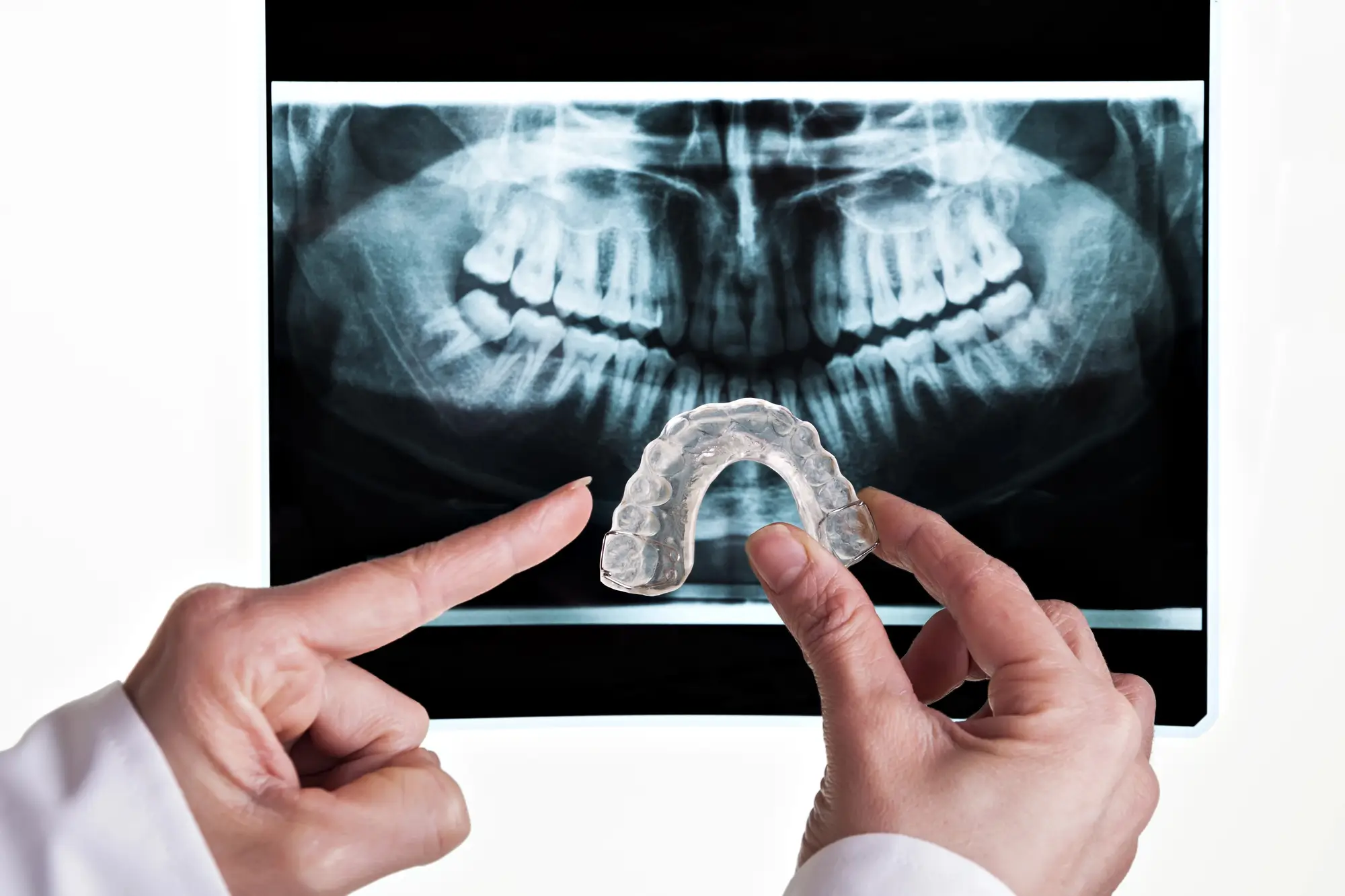
Custom night guards provide a crucial physical barrier between the upper and lower teeth. These appliances absorb the heavy bite force and allow facial muscles to relax overnight.
Restore Lost Functionality
Patients with extensive damage may need multiple procedures to completely rebuild their bite. Utilizing porcelain bridges helps safely replace teeth lost to severe grinding.
Focus on Aesthetic Enhancements
Modern cosmetic dentistry offers incredible solutions for teeth that appear visibly short or flat. Advanced treatments effectively lengthen the teeth and improve overall facial symmetry.
Frequently Asked Questions About Teeth Grinding
Can stress cause sudden clenching habits?
High anxiety levels frequently trigger new instances of involuntary clenching and grinding because the jaw muscles often tighten during periods of physical or emotional tension. Many patients do not realize they are clenching until they wake with headaches, facial soreness, or sensitive teeth.
Managing daily stress through relaxation techniques, better sleep habits, and professional dental guidance can significantly reduce the severity and frequency of nocturnal grinding episodes.
What happens if this condition is left untreated?
Ignoring the condition often allows small problems to develop into serious oral health concerns, including cracked enamel, worn biting surfaces, gum irritation, and chronic jaw discomfort. Over time, untreated grinding may contribute to irreversible joint strain and even tooth loss.
Failing to protect the bite usually results in the need for more complex restorative care, which is why early evaluation and prevention are especially important.
How can a dentist tell if grinding is happening at night?
A dentist can identify signs of nighttime grinding by examining the shape of the teeth, checking for enamel loss, and looking for small cracks or flattened edges. They may also evaluate the jaw joints, bite alignment, and surrounding muscles for tenderness or limited movement.
These clinical signs often appear before a patient notices obvious daily discomfort.
Are night guards comfortable to wear?
Custom night guards are designed to fit the patient’s mouth closely, which generally makes them more comfortable than over-the-counter options. A professionally made appliance helps distribute bite pressure evenly while allowing the jaw to rest in a safer position.
Most patients adjust to wearing one after a brief transition period.
When should treatment begin?
Treatment should begin as soon as symptoms appear or when a dental exam reveals early wear patterns. Addressing the issue quickly can prevent additional enamel loss, reduce jaw strain, and limit the need for extensive restorative procedures later.
Early intervention also offers patients more conservative options to protect their teeth and maintain long-term comfort.

Schedule a Visit with a Top Grosse Pointe Dentist
Finding a trusted Grosse Pointe dentist is the first step toward achieving a healthy, pain-free smile. Reach out to Dr. Mitchell Milan and the expert team at Birmingham Center for Cosmetic Dentistry today and book an appointment to protect your oral health!