
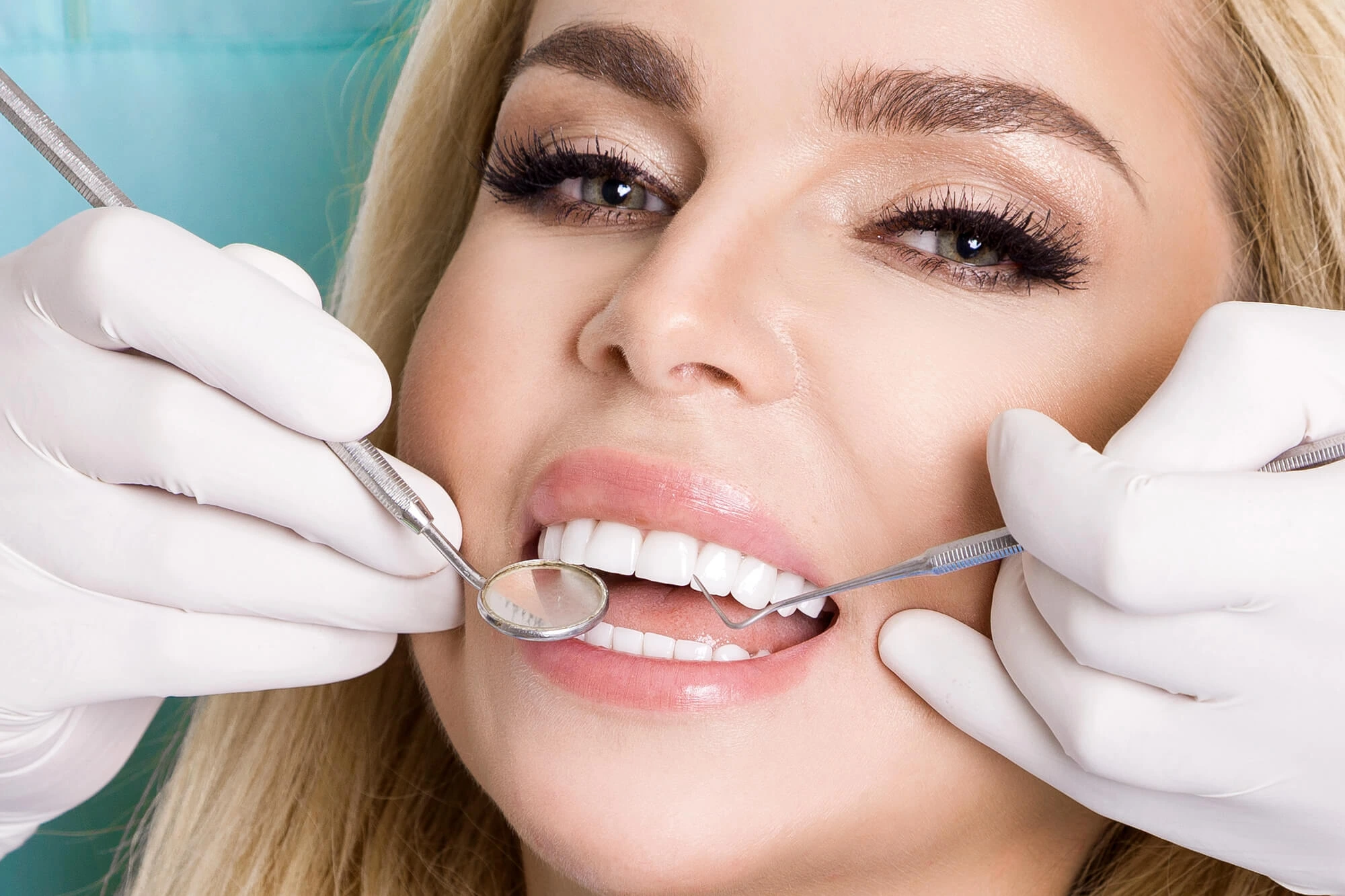
Lumineers® are often marketed as a gentler alternative to traditional veneers, leading many patients to assume they are simply a better version of the same treatment. However, the reality is more nuanced.
Each option has genuine strengths depending on the specific smile concern being addressed. Comparing both side by side is the most reliable way to determine which represents the best veneers in MI for a particular case.

How Do These Two Options Actually Differ?
Traditional Porcelain Veneers
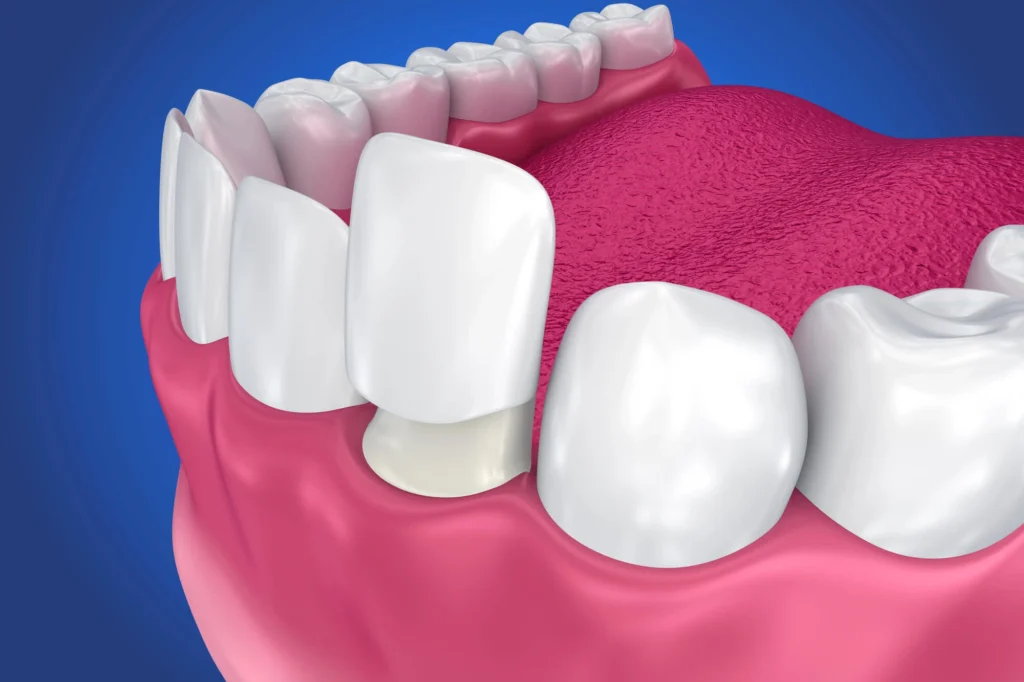
Porcelain veneers are custom-made shells that require removing a thin layer of natural enamel before bonding to the front of the tooth. This preparation step allows the veneer to sit flush with the surrounding teeth, creating a seamless, highly customizable result for a wide range of cosmetic concerns.
Lumineers
Lumineers are a specific brand of ultra-thin porcelain veneer designed to require minimal to no enamel removal in many cases. Because they are thinner than traditional veneers, they can sometimes be placed directly over existing teeth with minimal preparation, making the process less invasive for some patients.
Which Option Handles More Severe Cases Better?
Correcting Significant Discoloration
Traditional porcelain veneers offer greater flexibility for masking severe discoloration, as their additional thickness allows the dental lab to fully block out a darker underlying tooth shade. Lumineers, being thinner, sometimes struggle to fully conceal very dark or heavily discolored teeth without an additional layer of opacity that compromises their thin-profile advantage.
Correcting Significant Shape or Alignment Issues
For teeth that are rotated, shaped irregularly, or have significant gaps, traditional veneers typically provide more room for the dental lab to sculpt a natural-looking correction. Lumineers work best on teeth that are already reasonably well-positioned, since their minimal thickness limits how much correction they can achieve.
How Do They Compare Regarding Process and Comfort?
Tooth Preparation
The most significant practical difference is the preparation required. Traditional veneers almost always involve some enamel removal. Lumineers are specifically designed to minimize or eliminate that step for appropriate candidates, appealing to patients who are hesitant about altering their natural tooth structure.
Reversibility
Veneer treatment is generally considered permanent once enamel has been removed, since that structure does not regenerate. Lumineers, when placed with minimal preparation, offer a degree of reversibility that traditional veneers cannot match. However, this depends heavily on the individual case and how much, if any, enamel was altered.
How Do They Compare Regarding Cost and Longevity?
Investment and Lifespan
Porcelain veneers typically last 10 to 15 years with proper care, and Lumineers, being a specific porcelain product, fall within a similar general range depending on case selection and maintenance. Pricing between the two is often comparable, with the final cost depending more on case complexity than on which specific product is chosen.
A Quick Side-by-Side Summary
The core differences between these two options come down to a few key factors:
- Enamel removal — traditional veneers typically require some, Lumineers often require minimal to none
- Best for — traditional veneers handle severe discoloration or shape changes better
- Reversibility — Lumineers offer more reversibility in minimal-prep cases
- Thickness — Lumineers are notably thinner; traditional veneers offer more design flexibility
- Candidacy — not every smile is suited for the minimal-prep approach Lumineers require
Which One Is Actually Right for a Specific Smile?
When Traditional Veneers Make More Sense
Patients with significant discoloration, noticeable gaps, or teeth needing substantial reshaping tend to achieve more predictable, natural-looking results with traditional porcelain veneers, where the dental lab has more material to work with.
When Lumineers Make More Sense
Patients with relatively well-aligned teeth who want a brighter, more uniform appearance with minimal alteration to their natural tooth structure are often excellent candidates for Lumineers. The right answer ultimately depends on a detailed evaluation of each patient’s specific teeth and goals.
Find the Best Veneers in MI for Your Smile
At Birmingham Center for Cosmetic Dentistry, Dr. Mitchell Milan evaluates each patient individually to determine whether traditional veneers, Lumineers, or another cosmetic approach will deliver the most natural and lasting result.
The right choice depends on the specific smile, not on which product sounds more appealing in advertising. Schedule your consultation today and find out which option truly fits your goals.