
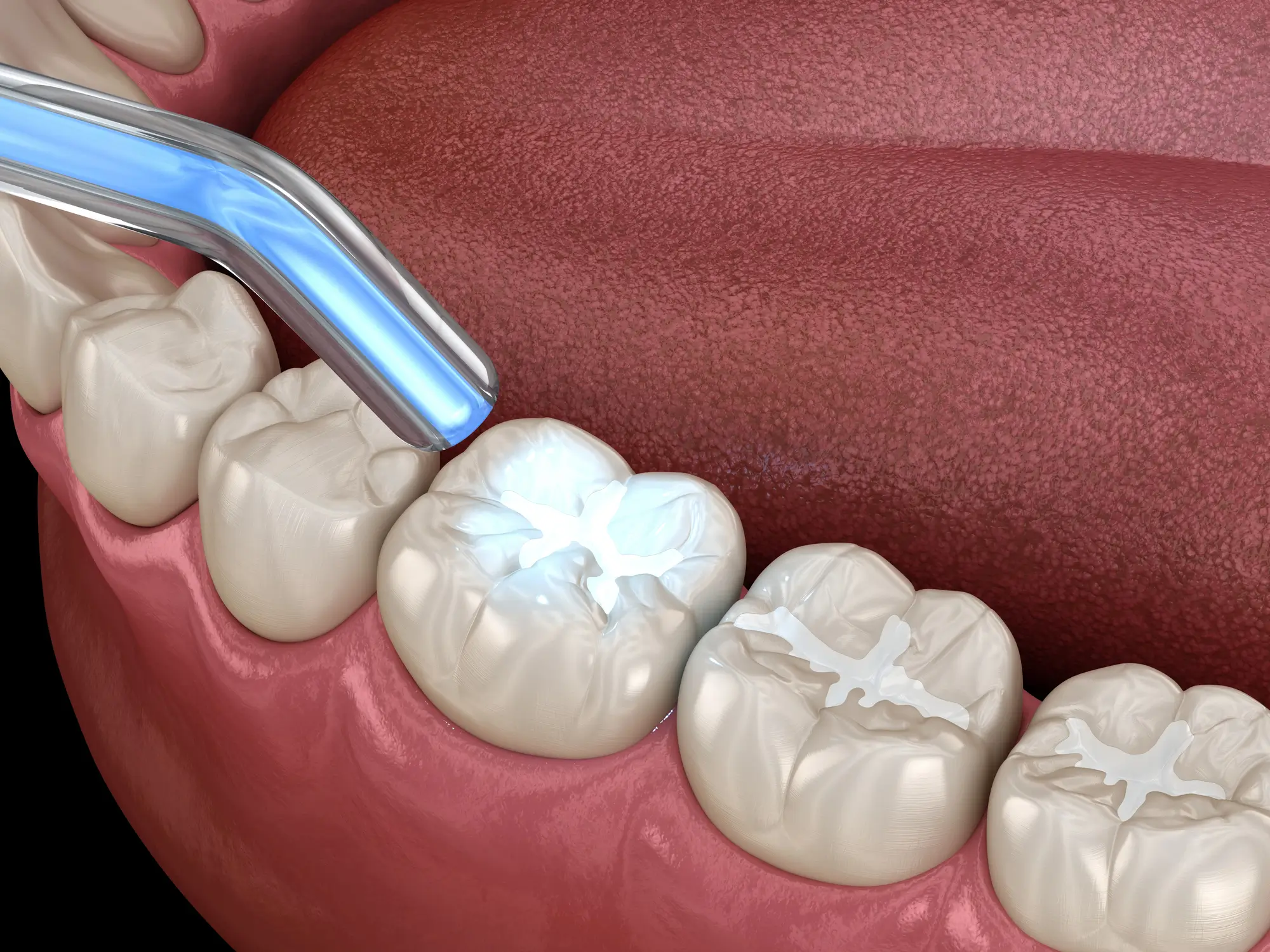
A small cavity can often be treated with a dental filling, but some teeth require more extensive restoration. For individuals researching restorative dentistry in Birmingham, MI, recognizing the warning signs can help determine when a tooth may need additional treatment.
Restorative care focuses on repairing damaged teeth and restoring their function, strength, and appearance.

1. A Tooth Has Extensive Damage
When is a Filling No Longer Enough?
Fillings are commonly used to repair cavities and minor areas of tooth damage. When significant portions of a tooth have been weakened or lost, a restorative treatment may provide better structural support.
What Can Cause Extensive Damage?
Deep decay, large existing fillings, and dental trauma can compromise the remaining tooth structure. A dental evaluation can determine whether a filling or another restoration is appropriate.
In some cases, extensive damage may not be visible without a dental examination, especially when decay develops beneath an older restoration or a fracture affects the inner structure of the tooth. Addressing these concerns early can help preserve more of the natural tooth and support longer-lasting restorative results.
2. A Tooth is Cracked or Fractured
Can a Crack Require More Than a Filling?
Some cracks extend beyond the area that a traditional filling can reliably repair. Depending on the location and severity, a crown or another restoration may be considered.
Because cracks can vary in depth and direction, the recommended treatment often depends on how much healthy tooth structure remains and whether the damage affects function.
Early assessment can help determine whether protective restoration is needed before the crack spreads or symptoms become more difficult to manage.
What Symptoms Can Accompany a Crack?
Pain when chewing, sensitivity to temperature, or intermittent discomfort can occur with damaged teeth. Prompt evaluation may help prevent additional structural damage.
3. A Tooth Has Been Significantly Worn Down
Why Does Tooth Wear Matter?
Grinding, clenching, acidic exposure, and other factors can gradually reduce tooth structure. Severely worn teeth may require comprehensive restorative planning rather than isolated fillings.
An evaluation for worn teeth can help identify the underlying concerns and determine appropriate treatment options.
4. A Tooth Is Missing
Can Restorative Dentistry Replace Missing Teeth?
Missing teeth can affect chewing, speech, and the alignment of surrounding teeth. Depending on individual needs, treatment may include dental implants, bridges, or dentures.
How is the Right Option Determined?
The appropriate restoration depends on factors such as oral health, available bone structure, the number of missing teeth, and overall treatment goals. A comprehensive evaluation provides the information needed to develop an individualized plan.
5. A Filling Keeps Failing
Why Might a Filling Need Replacement?
Large fillings can place stress on the remaining tooth structure, particularly when the tooth has already experienced significant damage. Dental filling options vary according to the tooth and the extent of restoration needed.
When Might a Crown be Considered?
A crown can cover and reinforce a weakened tooth when sufficient healthy structure remains for restoration. Dental crowns may also restore the tooth’s shape and function.

Discover Restorative Dentistry in Birmingham, MI, for Damaged Teeth
Knowing when a tooth needs more than a filling can help prevent minor structural concerns from becoming more complicated. Birmingham Center for Cosmetic Dentistry provides comprehensive restorative care.
Contact us to schedule an evaluation and discuss your treatment options.